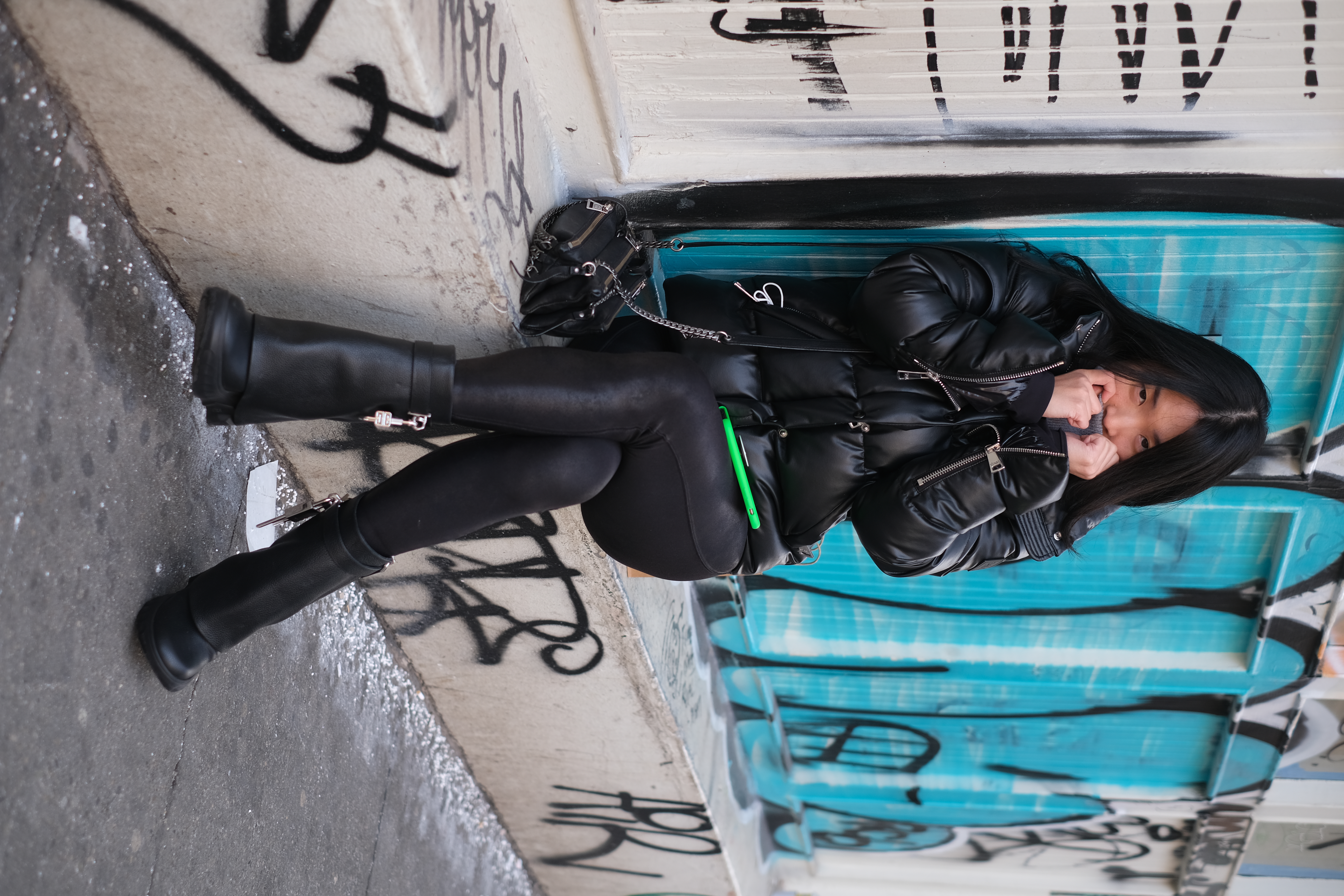
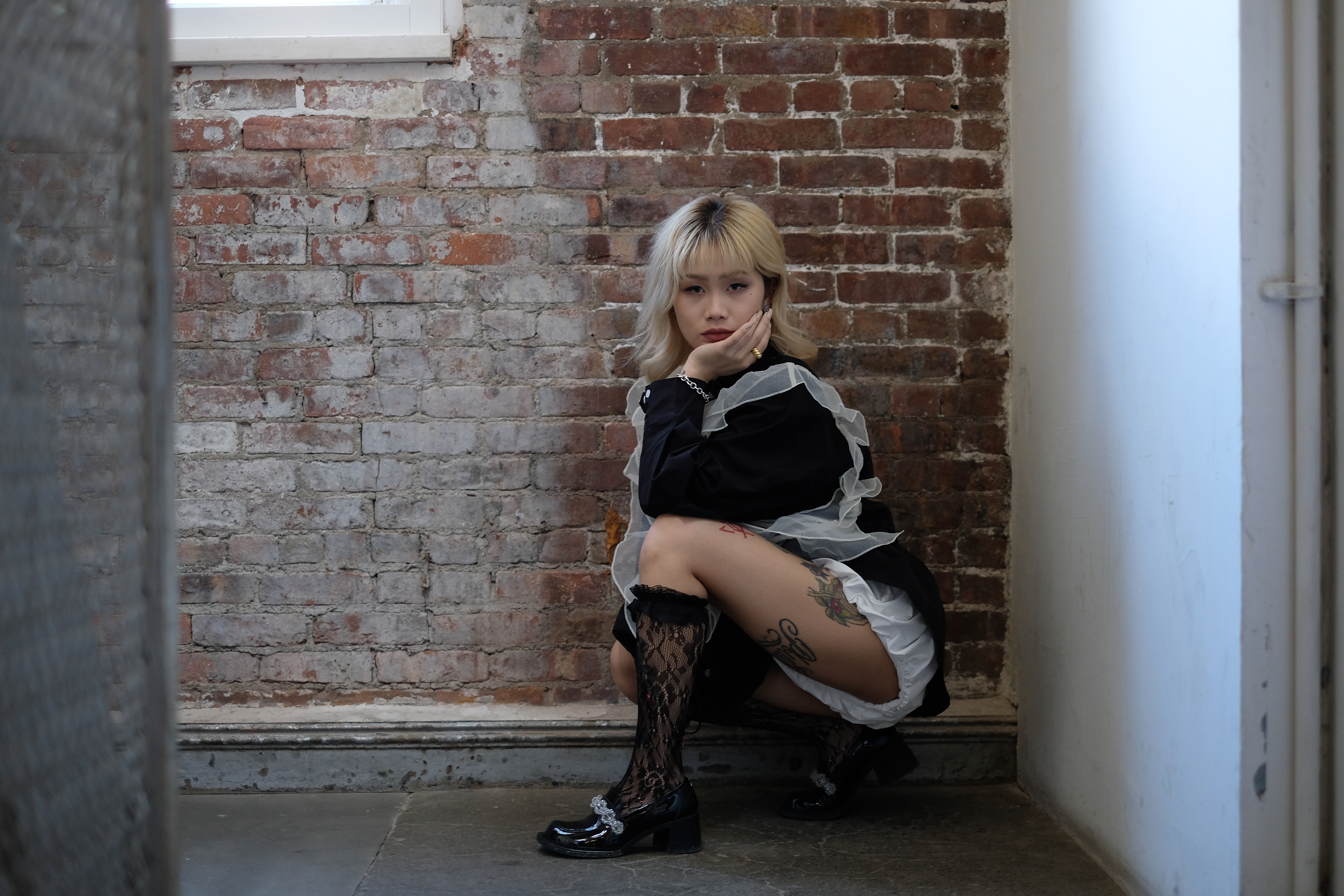
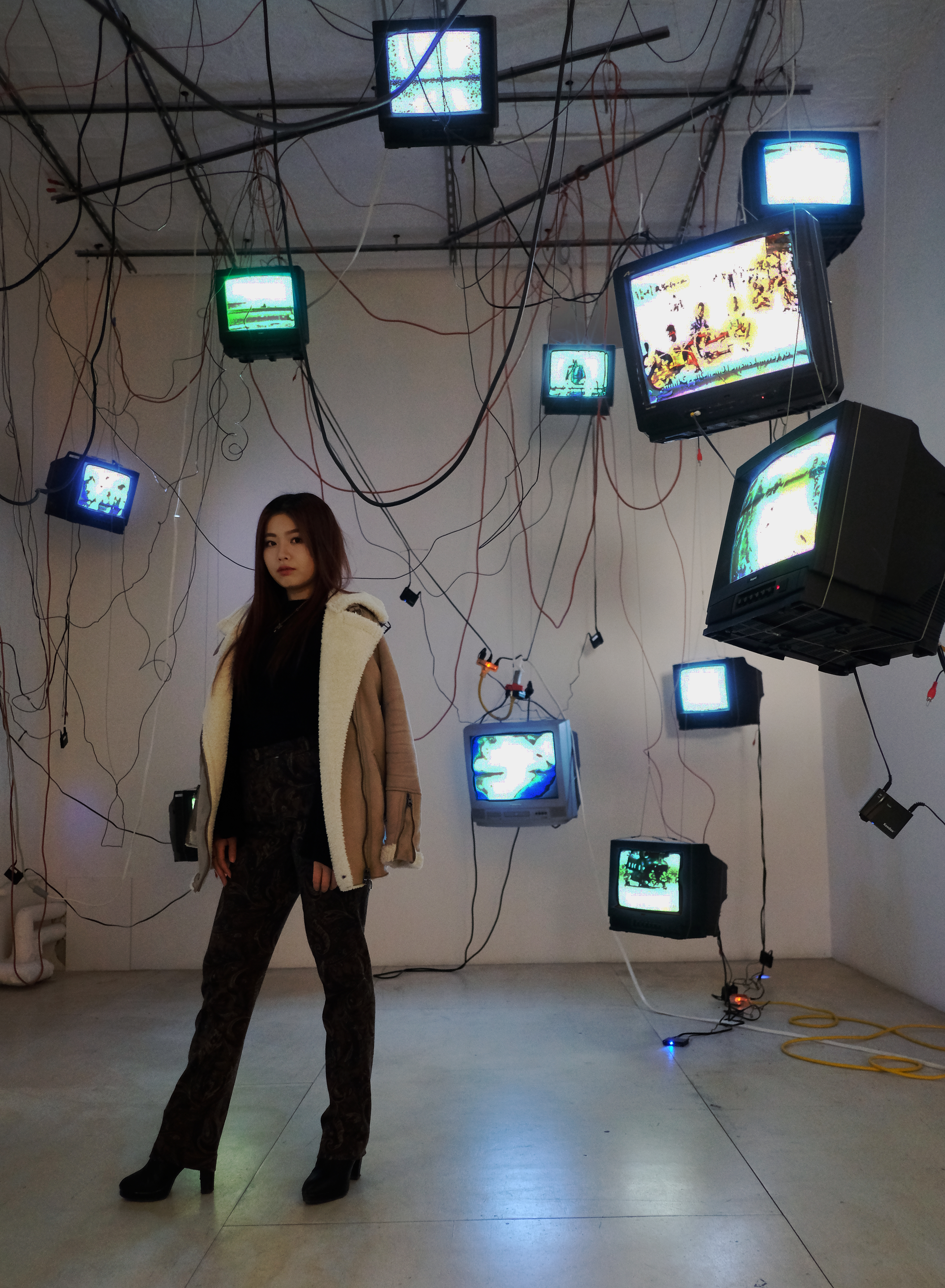
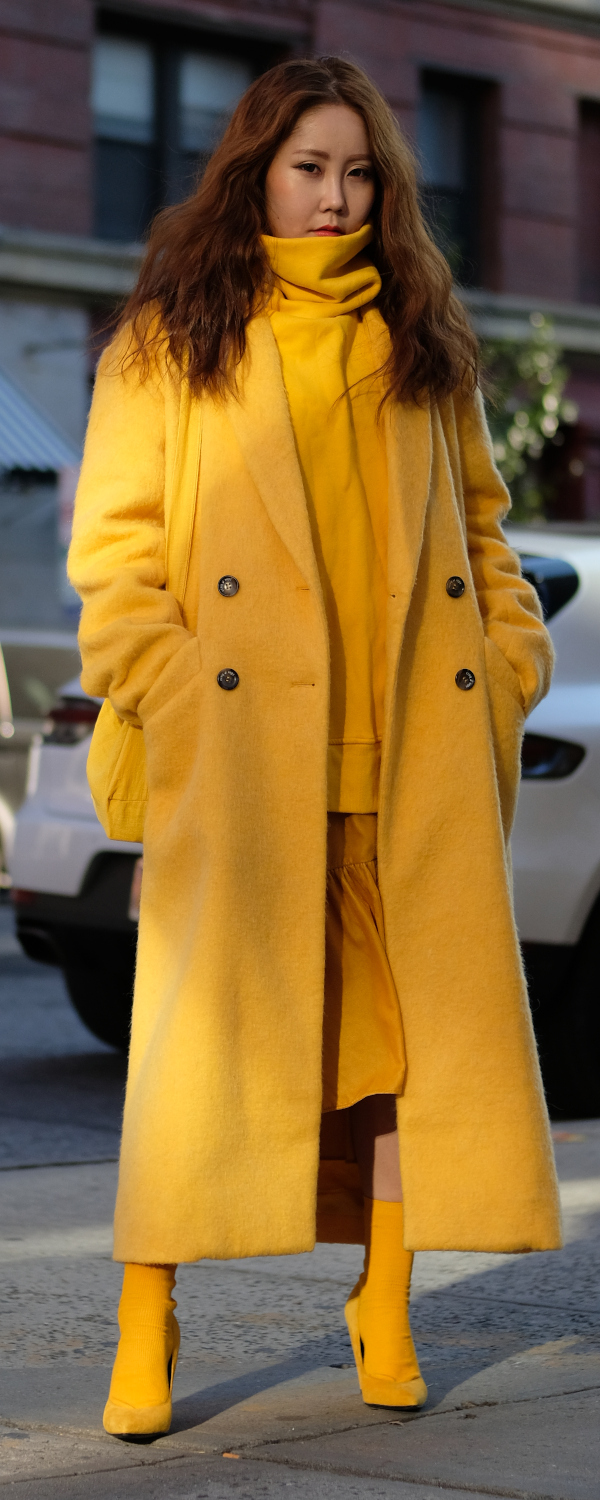
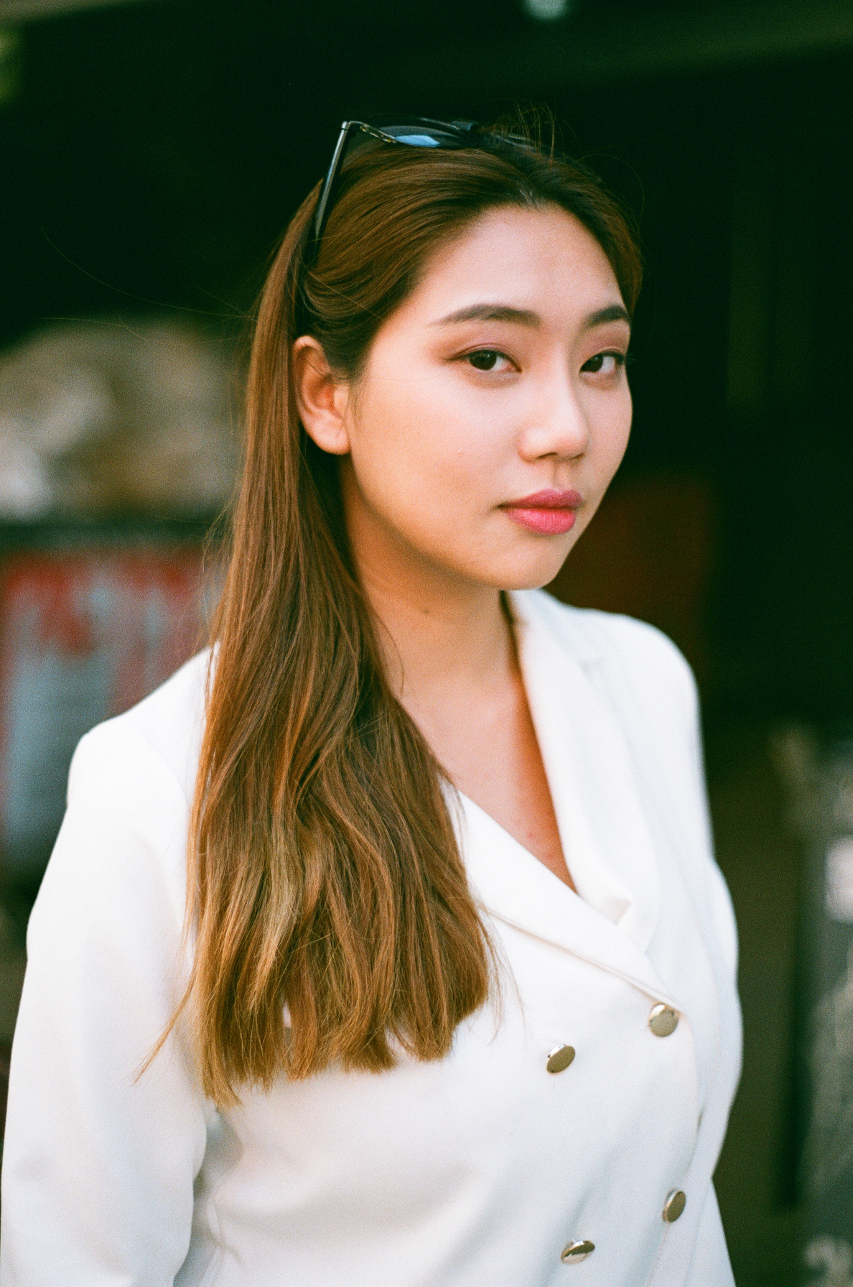
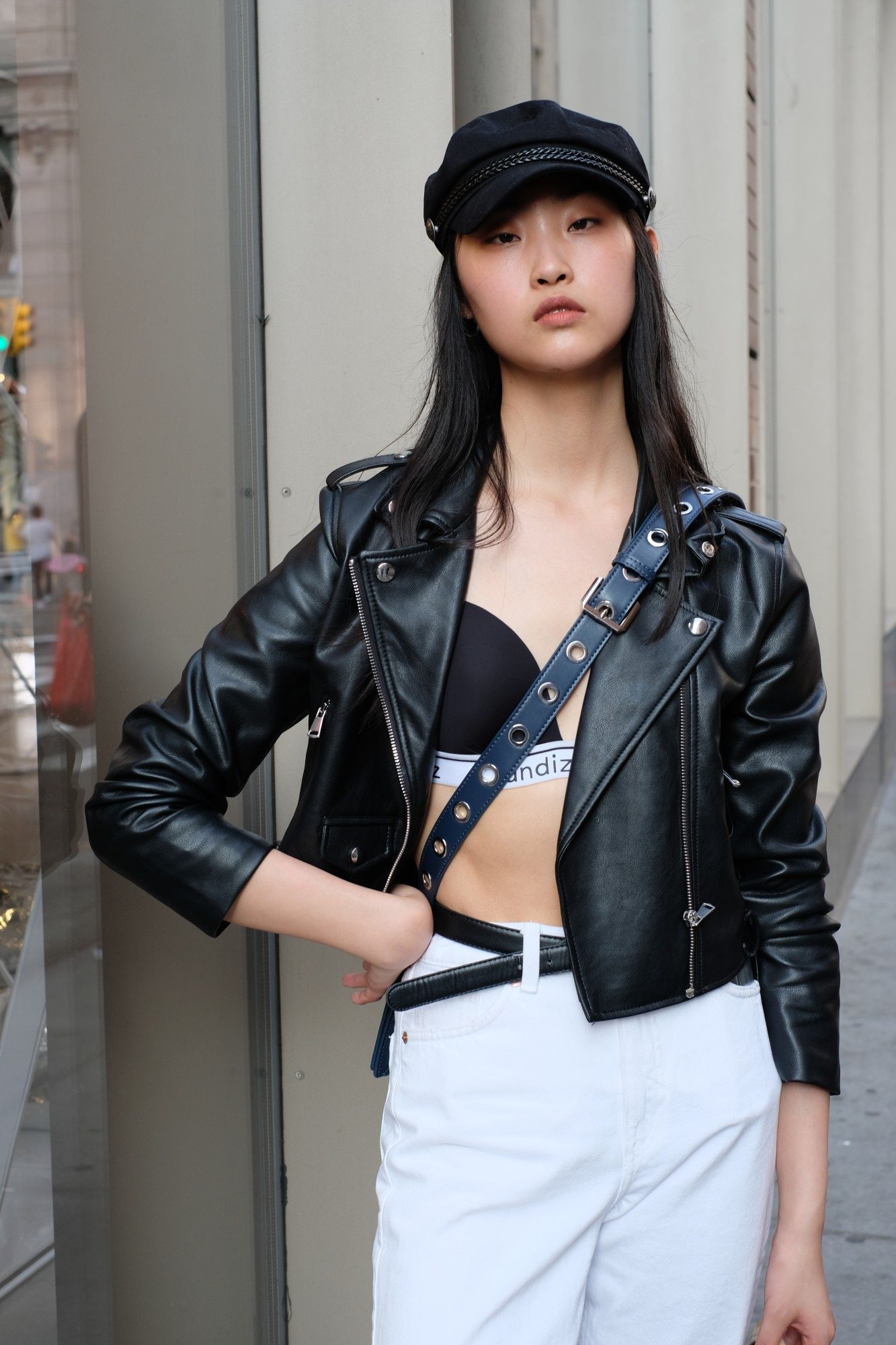
NYC Street Style – early 2022 Sample of photos from NYC, mostly SoHo and East Village, taken January through mid-May. (For much…
Maxi at MOMA PS1 Great photoshoot with a beautiful model at one of my favorite NYC venues.… model shoot, momaps1, new york, photography
MOMA PS1 Photoshoots One of the best venues in NYC for photoshoots with a model is MOMA PS1. It’s… asian girl, museum, new york, photography
Vertical format street style From the tips of their Valentinos to the tops of their beanies, the the fashionistas of…
Film Photography I have been getting into film”analog” photography recently, using a Minolta 7xi that a friend gave…
NYC Street Style – late 2018 Taken from June through November, these photos document New York City street style and fashion, mostly… asian girl, manhattan, model shoot, nyc, photography, street style
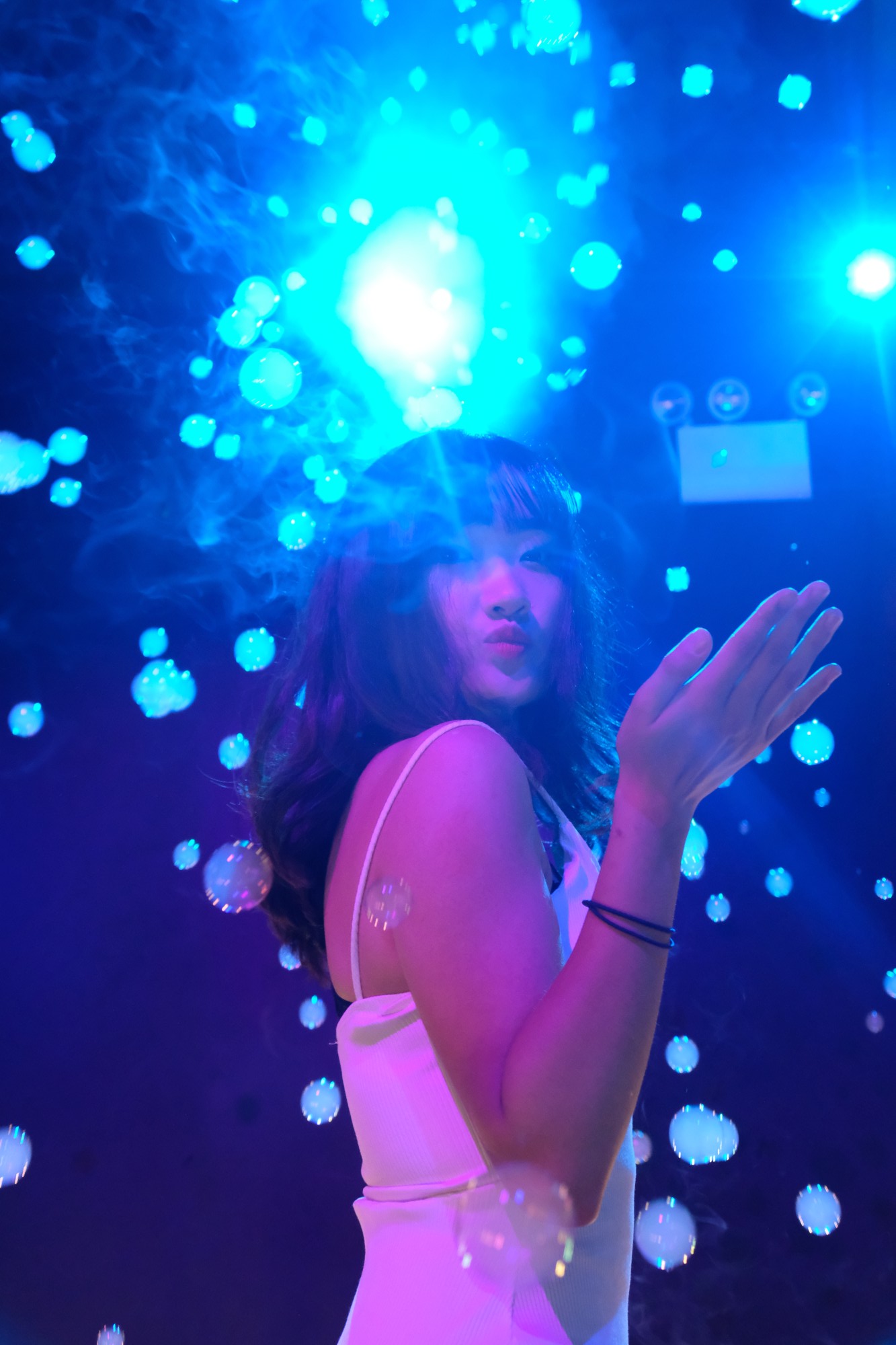
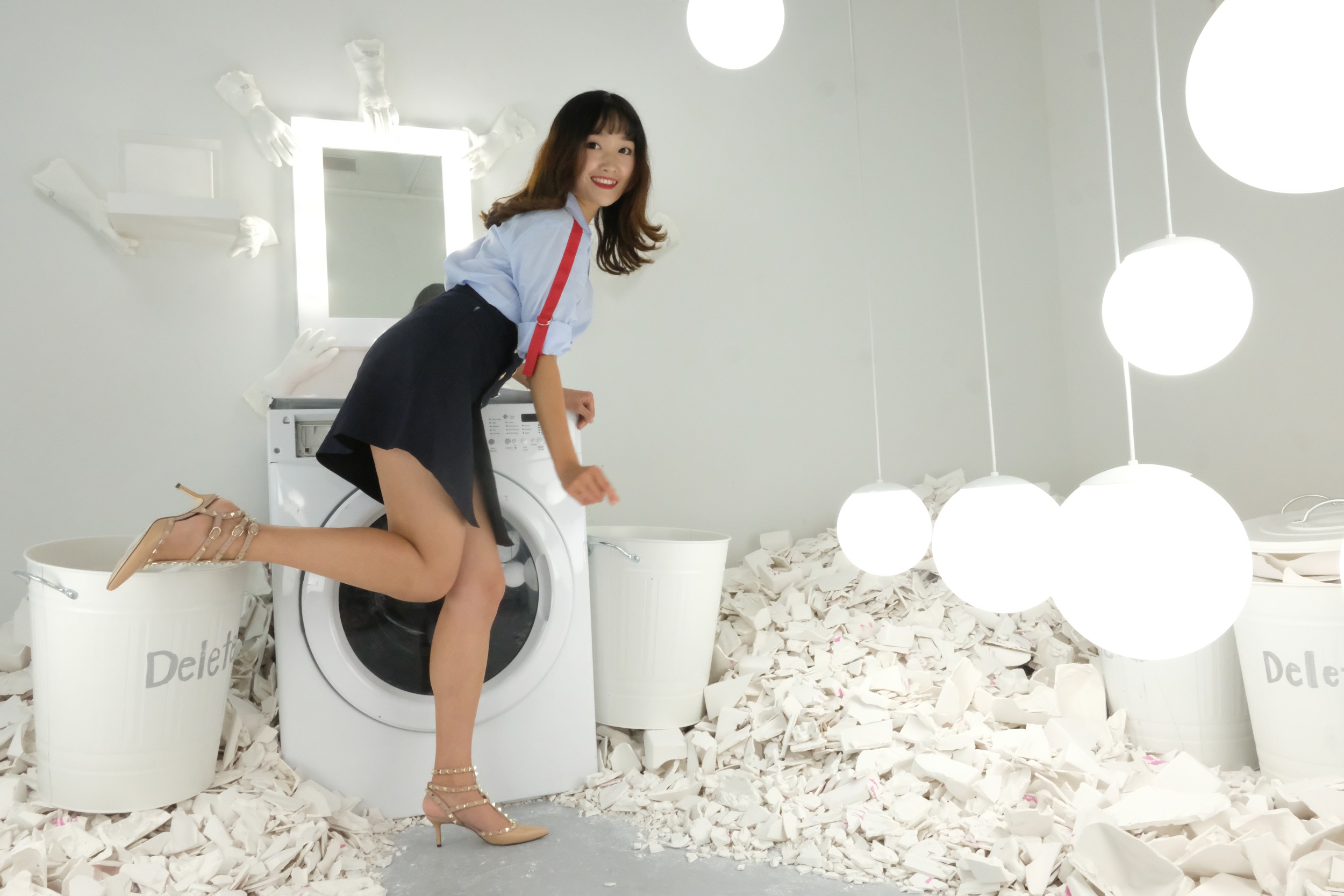
Suzy in Brooklyn A day in Williamsburg, first to the Dream Machine, one of those NYC, Instagram photo-op pop-ups,… brooklyn, Chinese girl, model shoot, new york, nyc, photography, street photography, street style, Williamsburg
Suzy at Leila Heller Gallery The theme of the show was “Purity,” and Suzy dressed the part, posing smartly in the… Chinese girl, manhattan, model shoot, new york, nyc, photography, street style
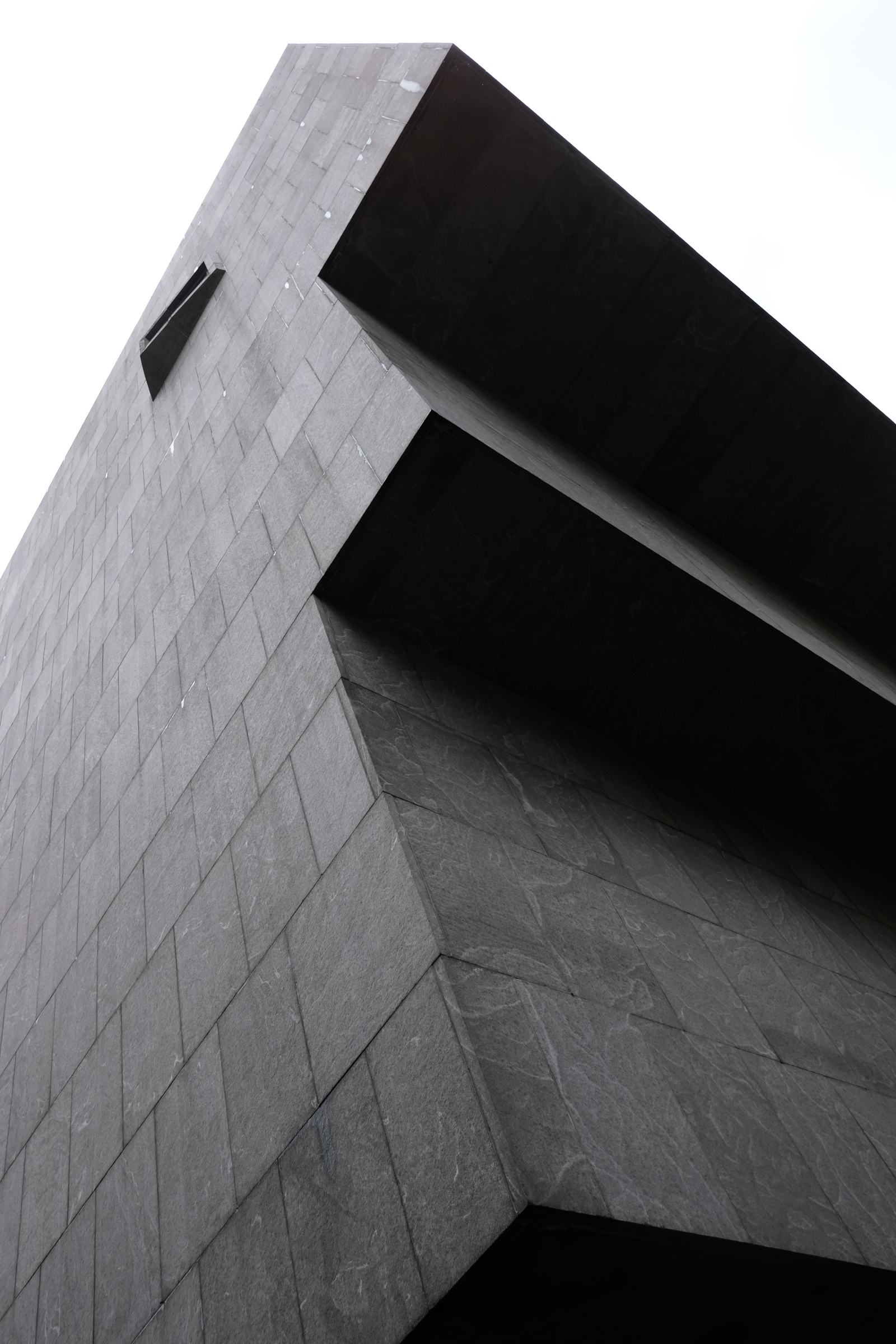
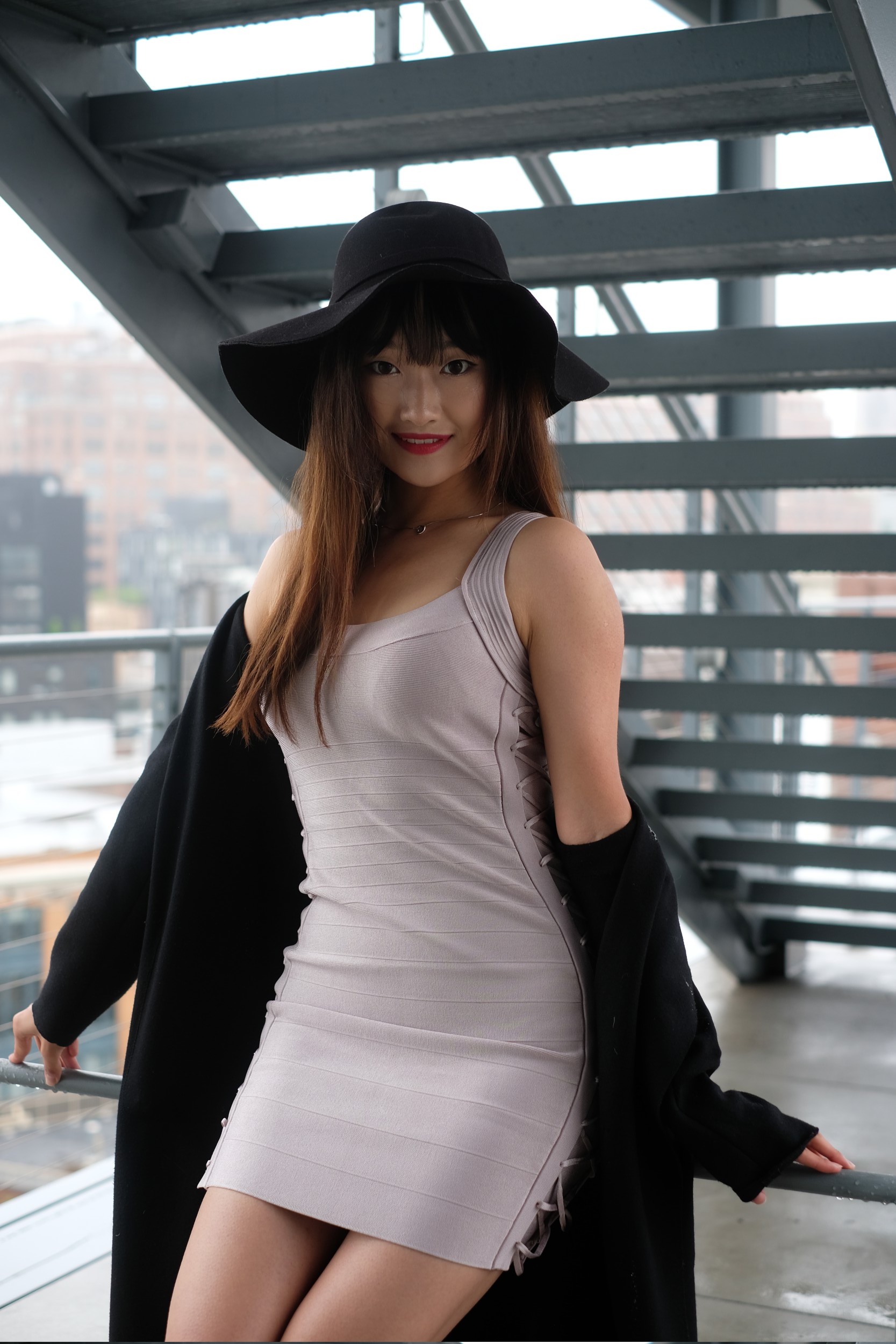
A Rainy Day at the Whitney Suzy and I had planned our photoshoot for Friday, and didn’t want to cancel, so we… Chinese girl, manhattan, model shoot, museum, new york, nyc, photography